



Narrating about Nepal one can say that it is a country with a vast diversity and rich history, if we were to consider it in the context of geography, it can rightfully called the ‘Queen of the Himalayas’. Such highlights serve as the Entry Point to Nepal and for those that come there, it is an all-encompassing experience that merges human civilization and nature.
Immerse yourself in the treasures that Nepal has to offer, for it is an impressive country that is bound to please almost every sense. With incredible wildlife and a picturesque history portrayed through the architecture of temples and palaces, it is indeed going to be a unique experience.
Consisting of seven UNESCO World Heritage Sites, the Kathmandu Valley located in Nepal is of political significance as it features the capital city of the country, making it culturally distinctive and enabling it to be dubbed as the ‘City of Temples’ due to the rich real estate embedded in its religious context.
Hiking, mountain climbing, and many more activities are combined to provide a perfect core experience and feelings for the devoted followers of Hinduism and Buddhism.
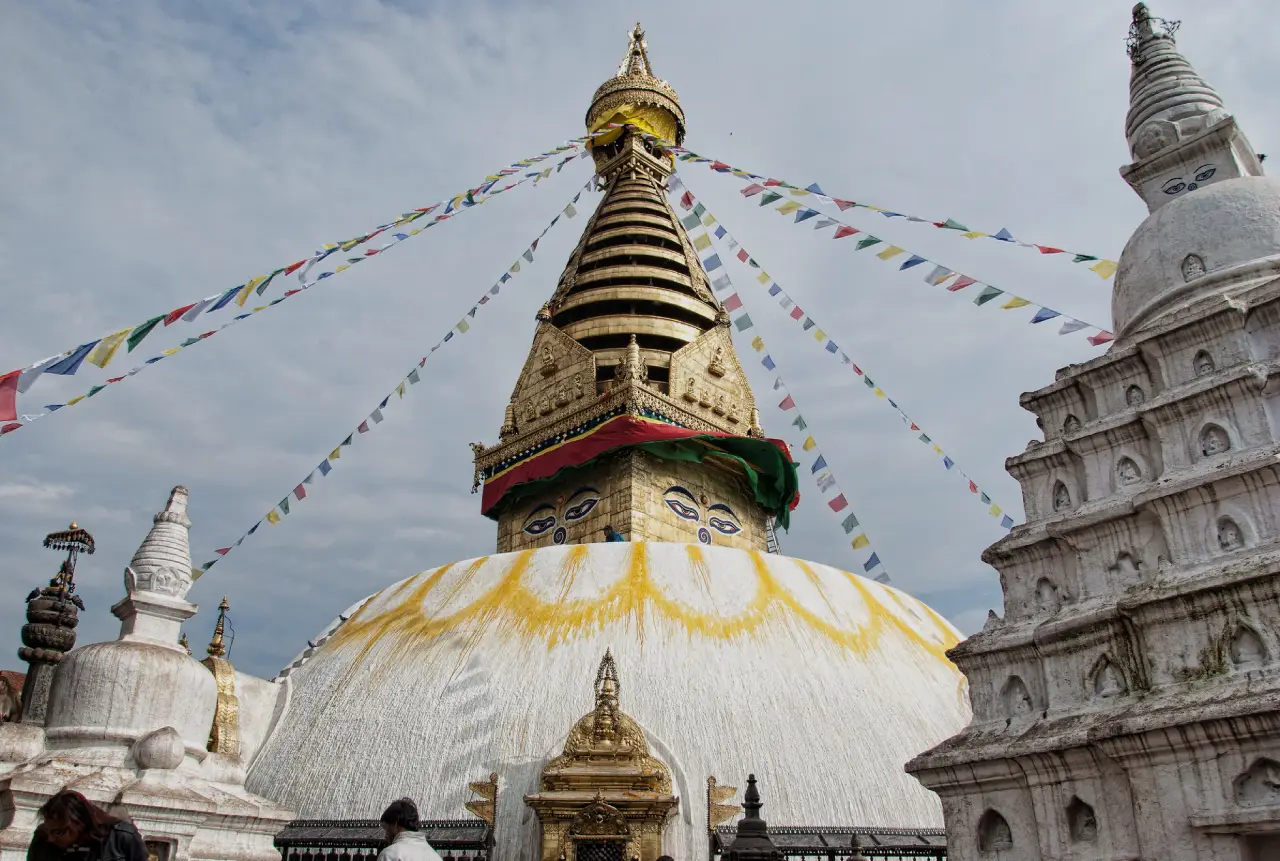
This stupa is one of the oldest stupas in Nepal that is positioned on the hillocks which predominate the landscape. This remarkable greenish pagoda which serves as a good viewpoint of Kathmandu Valley has a large number of monkeys around it and because of this, many people refer to it as the Monkeys Temple.
The central stupa is flanked by smaller stupas all with the all-seeing “Buddha’s Eye” on the four sides as a sign of the Buddha’s authority over the valley. Swayambhunath dates back more than 2000 years, making it not only one of the oldest stupas in the world but also one of the very first ever built.
Every year, devotees from various nations trek the 365 stairs that lead up to the stupa. They can also view the murals in the background. Sacred texts and statues also enhance the place’s feel.
Bodhinath Stupa is not just one of the largest stupas built but it is also said to be the holy place of the Tibetans within Nepal. This temple is a remarkable representation of the art of Nepali people and serves as a site for prayer.
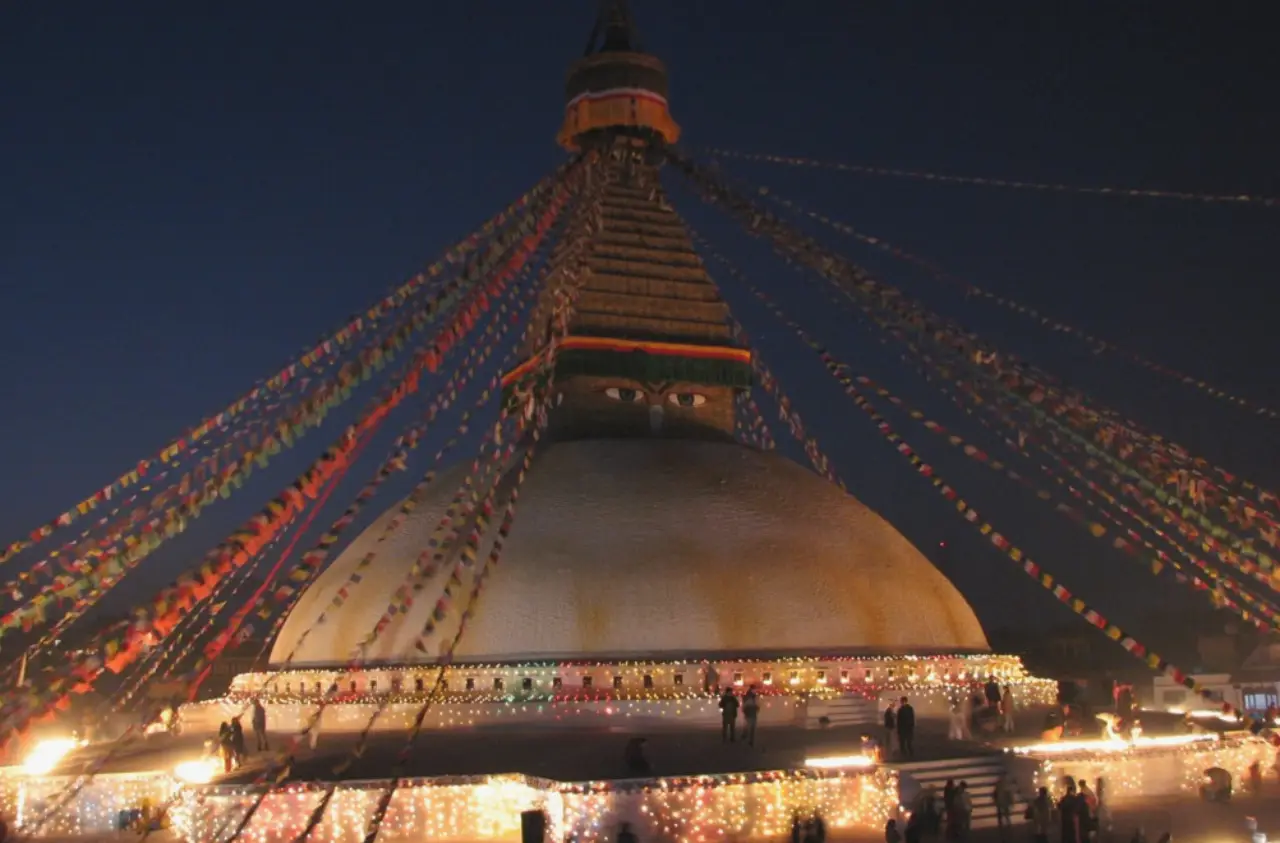
Prayer flags adorn the outer part of the rounded form of the pagoda, which is supported by the eyes ubiquitous with the cool-headedness of the Buddha. The stupa has encouraged, stimulated, and lured many monks, pilgrims, and tourists all over the decades especially during the 1950s due to the upcoming Tibetan refugees in the surrounding region.
Boudhanath Stupa on the contrary is peaceful and calm as it is surrounded by Tantric temples and Monasteries as well as a shop selling Tibetan religious artifacts.
This temple is among the oldest religious temples in the entire universe, situated in Kathmandu Valley at the bank of the Bagmati River. Even today it still holds value and an important meaning as it is a temple for Lord Shiva. Vast amounts of Hindus travel from all around the world to perform rituals and pray inside the temple, which draws large amounts of people to perform ritualistic practices alongside specific followers.
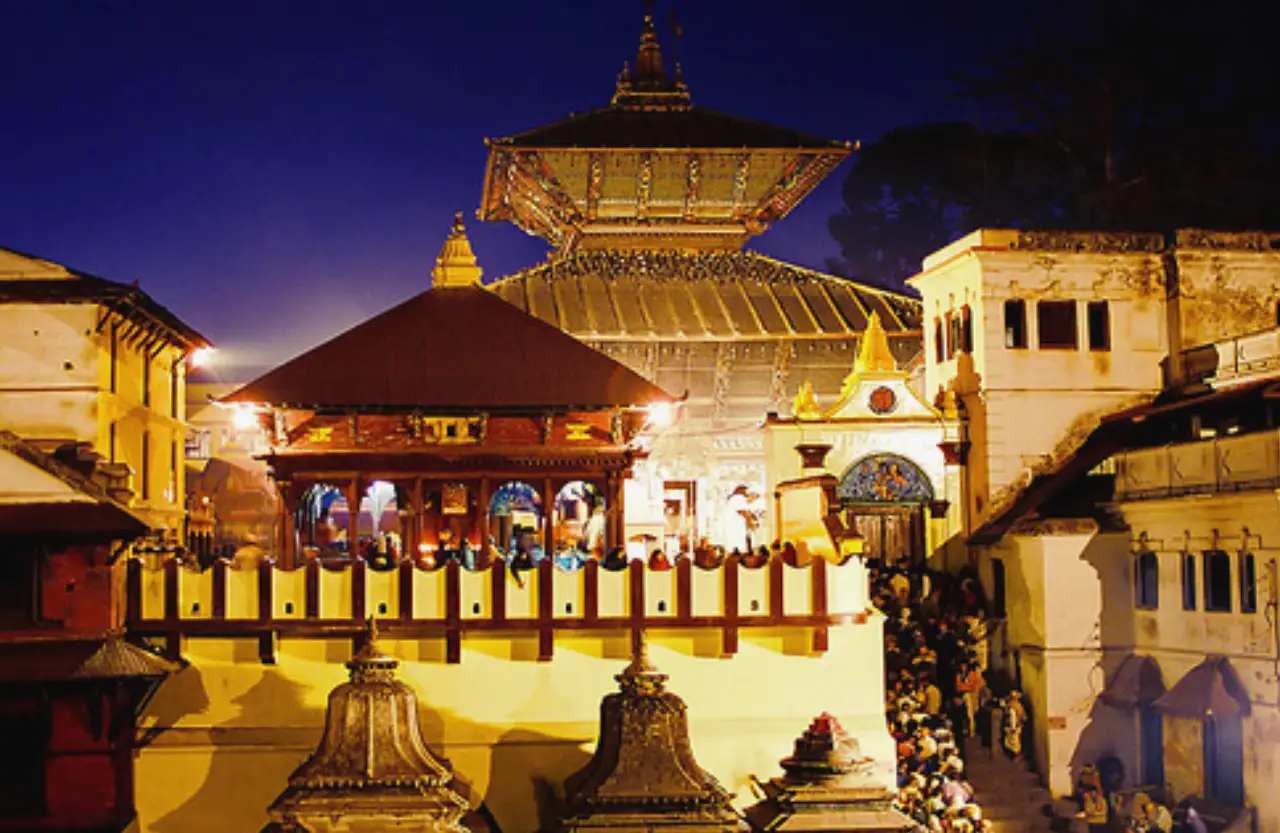
Tourists are treated with the experience to view the religious activities alongside the priests. Regular sacrificial and cremation events take place around the temple, which are an important part of the culture of the people living in Nepal. The temple is surrounded by forests, blending the sense of peace alongside the idea of being sacred.
Through looking at the map one can say that it lies between the three cities, Patan, Bhaktapur, and Kathmandu, and has been there for quite a many years. All three together are viewed as the heart of the country. All three areas contain a variety of old temples, palaces, and courtyards that depict the art and sit of Nepali architecture.
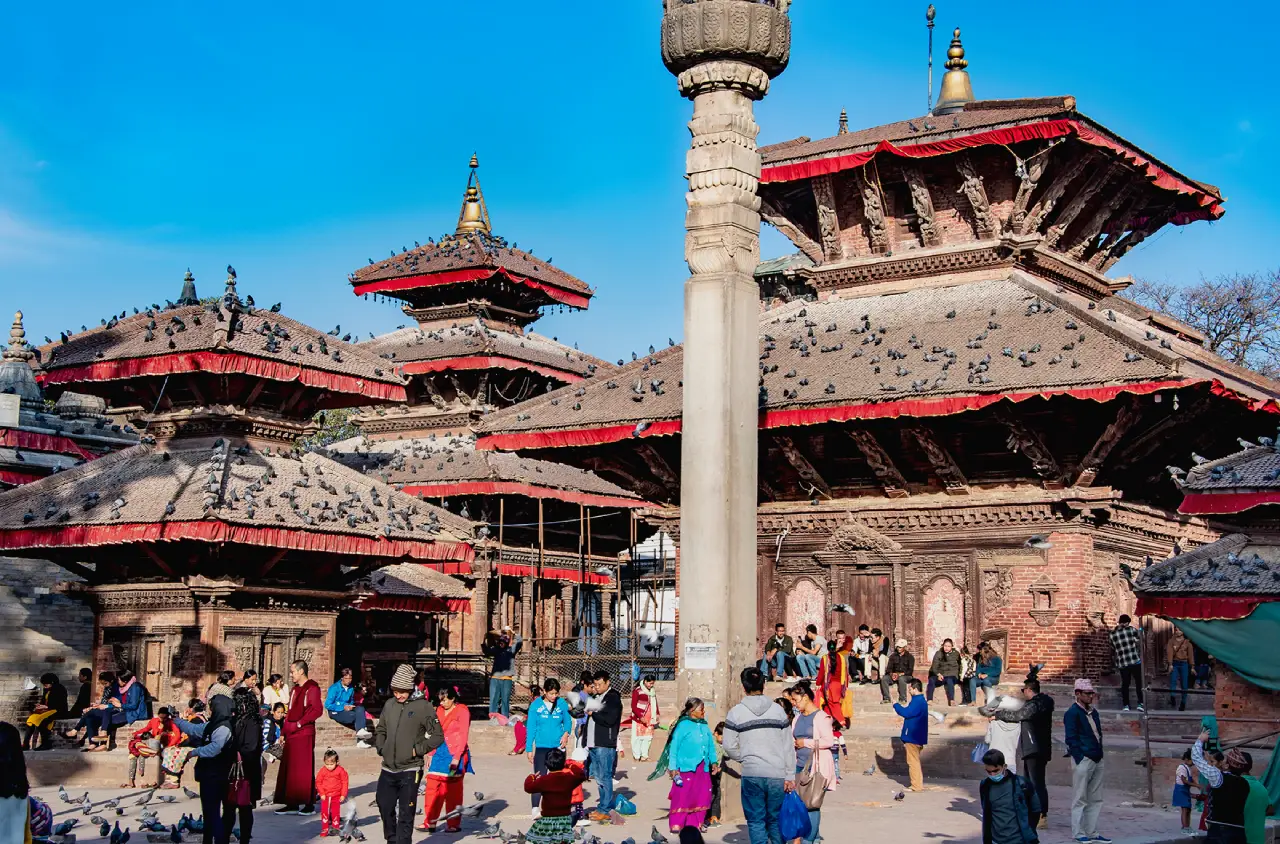
The Hanuman Dhoka Palace lies in the center of Kathmandu in Durbar Square, which is now a museum together with ancient statues, temples, and other monuments that uncover the history. The bygone era of Nepal is dispersed in the plaza.
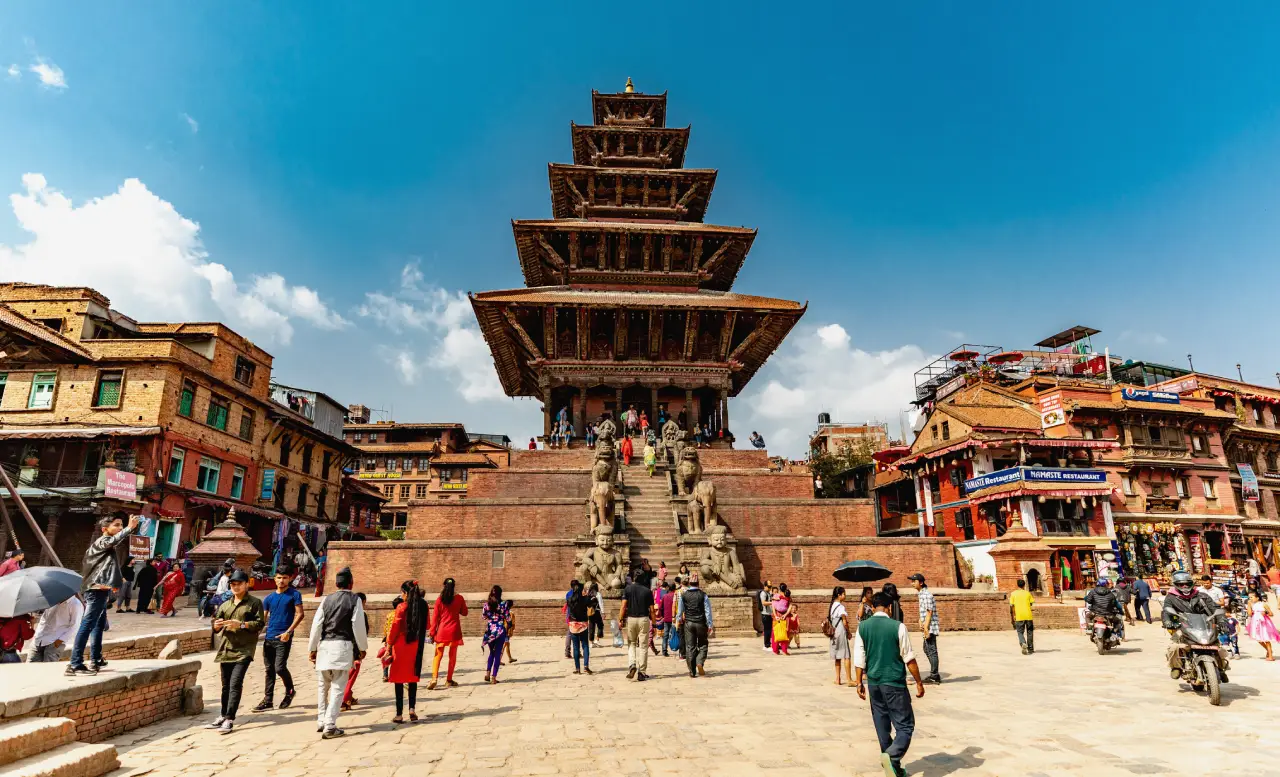
It is famous for its medieval architecture and careful conservation of monuments. There is a Nyatapola temple which is the tallest pagoda-style temple in Nepal and the square features a palace with 55 windows and Vatsala Temple in addition to Bhaktapur Square which is every photographer’s dream as a captured moment in time and space is breathtaking and alluring.
Located in Patan, because of its detailed wood sculptures, temples, and Patan Museum which has a huge collection of ancient Nepali antiquities, Patan Durbar Square has gained international fame. And within the Durbar frame testifies the Nepalese history and is still a representation of the art and culture of Nepal.
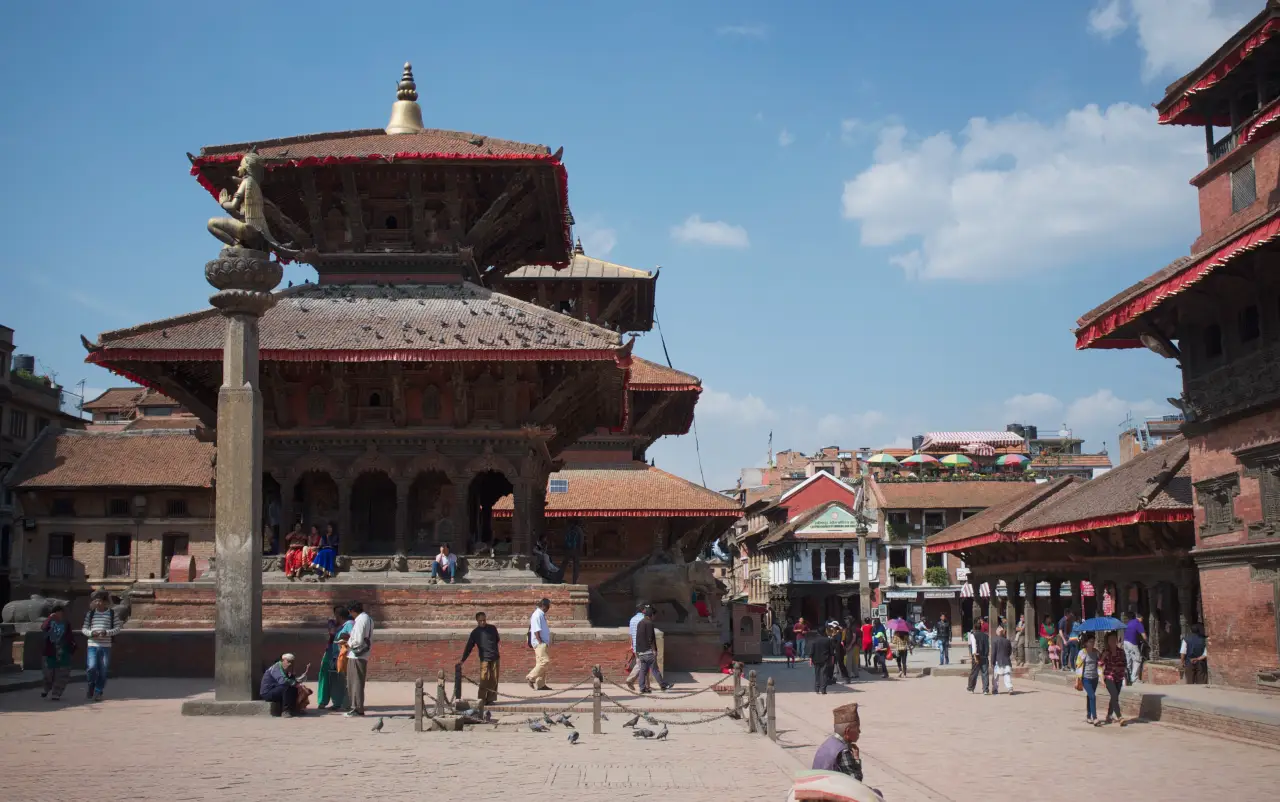
These squares are a walk down the history lane, so visiting them will give you a chance to witness the magnificence of the former rulers of Nepal.
Changu Narayana Temple is situated on the elevation of a hill close to Bhaktapura. It is a temple dedicated to the deity Lord Vishnu, and it is regarded as the oldest temple for Hindus in Nepal. We all, however, know that some existed as far back as the 4th century.
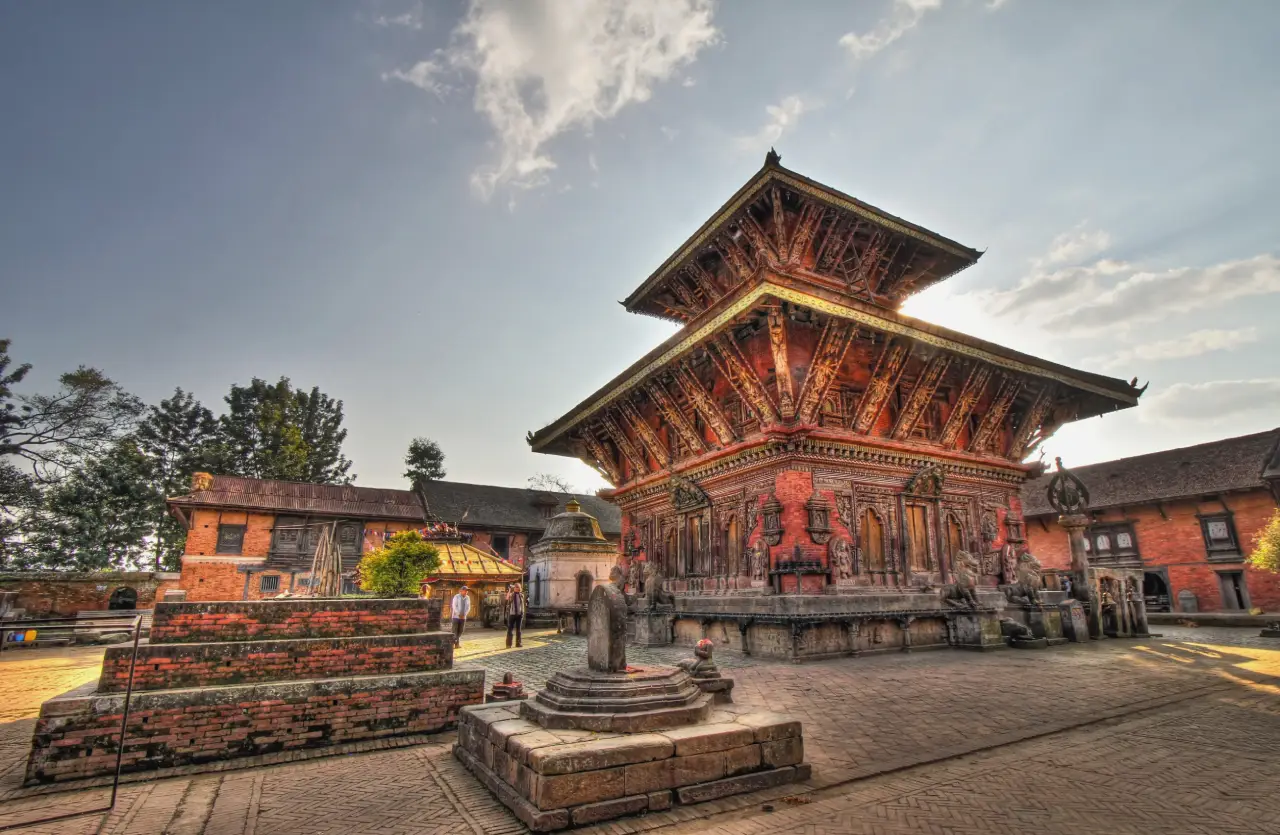
It has in store a rich history of Nepal as amongst its bits and pieces inscribed on its walls are the oldest documents explaining how Nepal came into being, making it popular for it. The products of acclaimed Nepali artisans are best represented by the temple’s intricate woodwork, sculptures, and carvings.
This particular area offers limited opportunities to warm up and take in the other environment, as it is located away from the noise in the jungle amid the beautiful charming valleys.
As Lumbini is accentuated to be the birthplace of Lord Buddha it doesn’t come as a shock to be hailed as a pilgrimage by the whole community of Buddhists. Located in the Rupandehi District of Nepal, it receives thousands of pilgrims every year, solely for the purpose of meditating beside the peace and quiet.
Lumbini’s legendary landmark, the Mayadevi Temple, is the birthplace of Lord Buddha. The pristine temple also houses a relic, an ancient rock that was commissioned by Ashoka the Great, King of India, in the 3rd century BC.
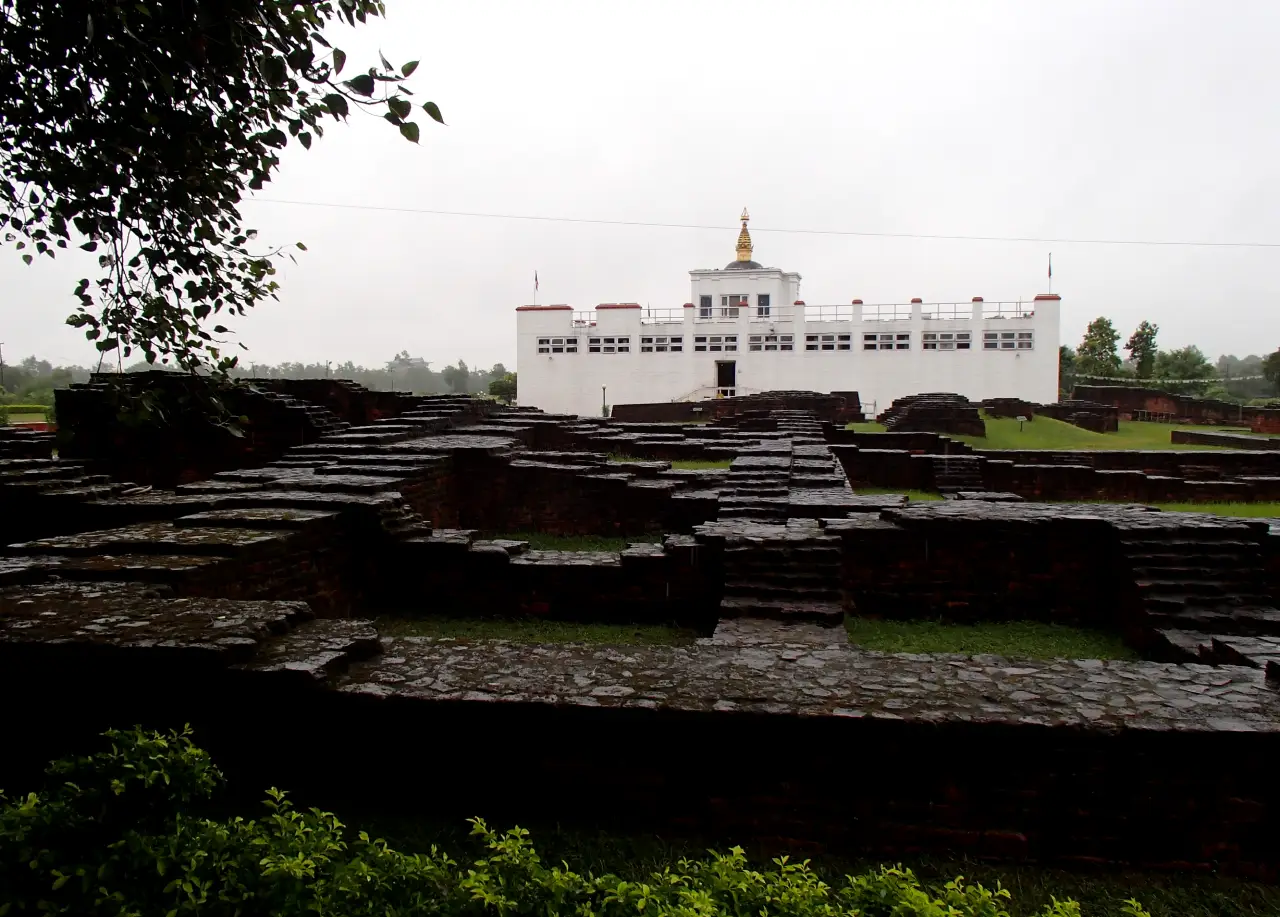
Also known as the Lumpini Pillar. A sacred pool where Queen Maya Devi is said to have bathed before her birth is nearby. The area around Maya Devi Temple is a large, peaceful garden. Along with many monasteries built by different countries.
Each monastery showcases a unique Buddhist architecture. This has made Lumbini one of the sought-after destinations for meditation and allows tourists to engage in uninterrupted meditation practice.
This national park in Terai is one of the pioneers in the range of Nepal’s geography in the Narendra mountains. This was the first ever national park in the country established back in 1973 with all due respect and now a recognized UNESCO world heritage site because of the broad range of wildlife such as Bengal tigers, single-horned rhinoceros, and many other birds.
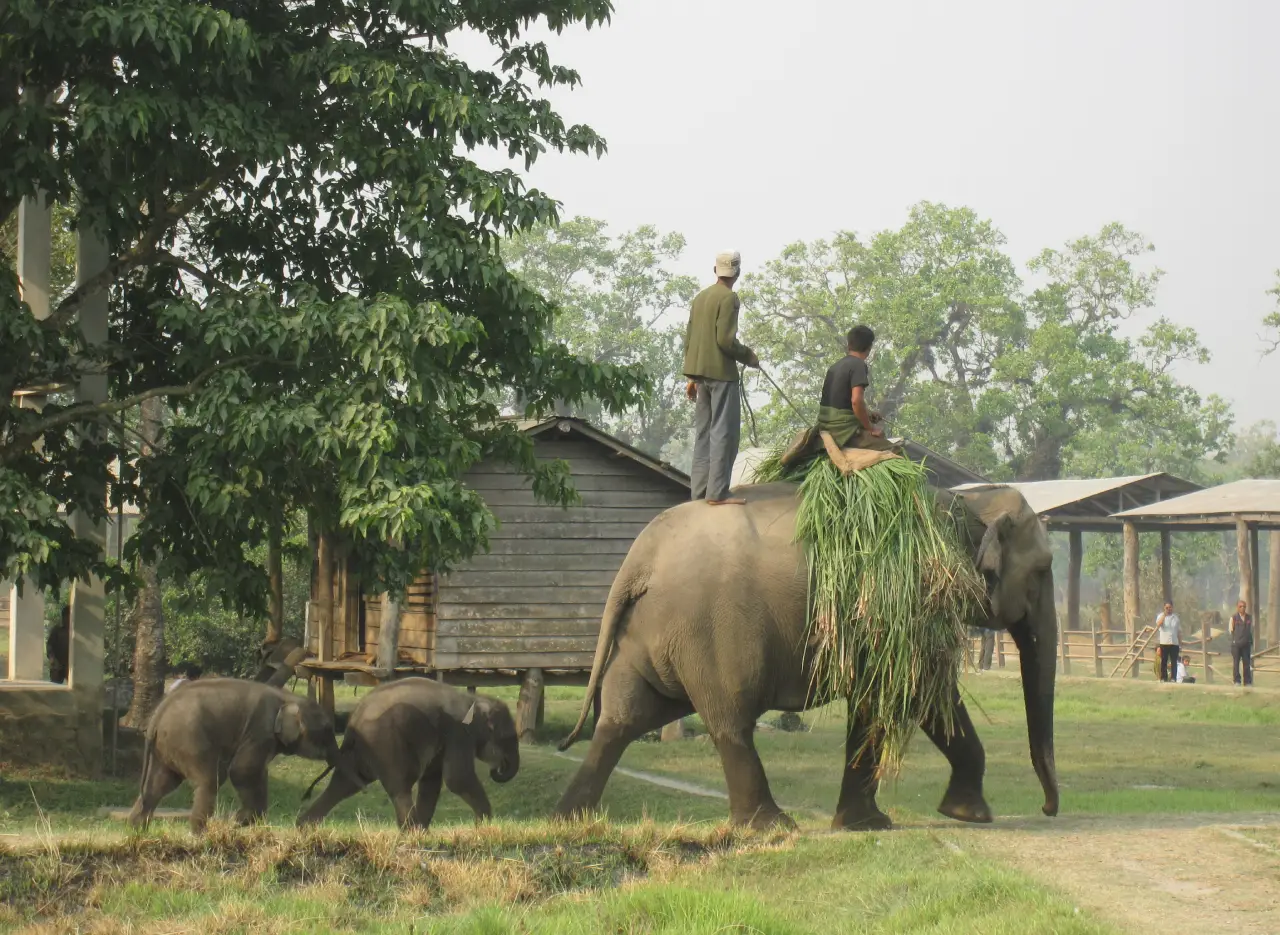
Chitwan has it all; ranging from wildlife safaris to forests to grasslands. It makes a perfect trip as travelers can use jeeps or walk beside the Rapti River to witness crocodiles and other birds. Naturally, Wandering and riding elephants, on the other hand, are some of the best ways to witness the park’s wildlife.
The Tharu tribe is still based in Chitwan and during village tours, visitors can engage in cultural performances to understand their traditions and heritage.
Sagarmatha National Park is situated in the Khumbu region of Nepal and features Mount Everest, the tallest peak on the planet. The area is dotted with splendid scenery and hiking paths of global fame, in addition to glaciers, overmuch of the park’s terrain. Everest Camp also has trekking trails.
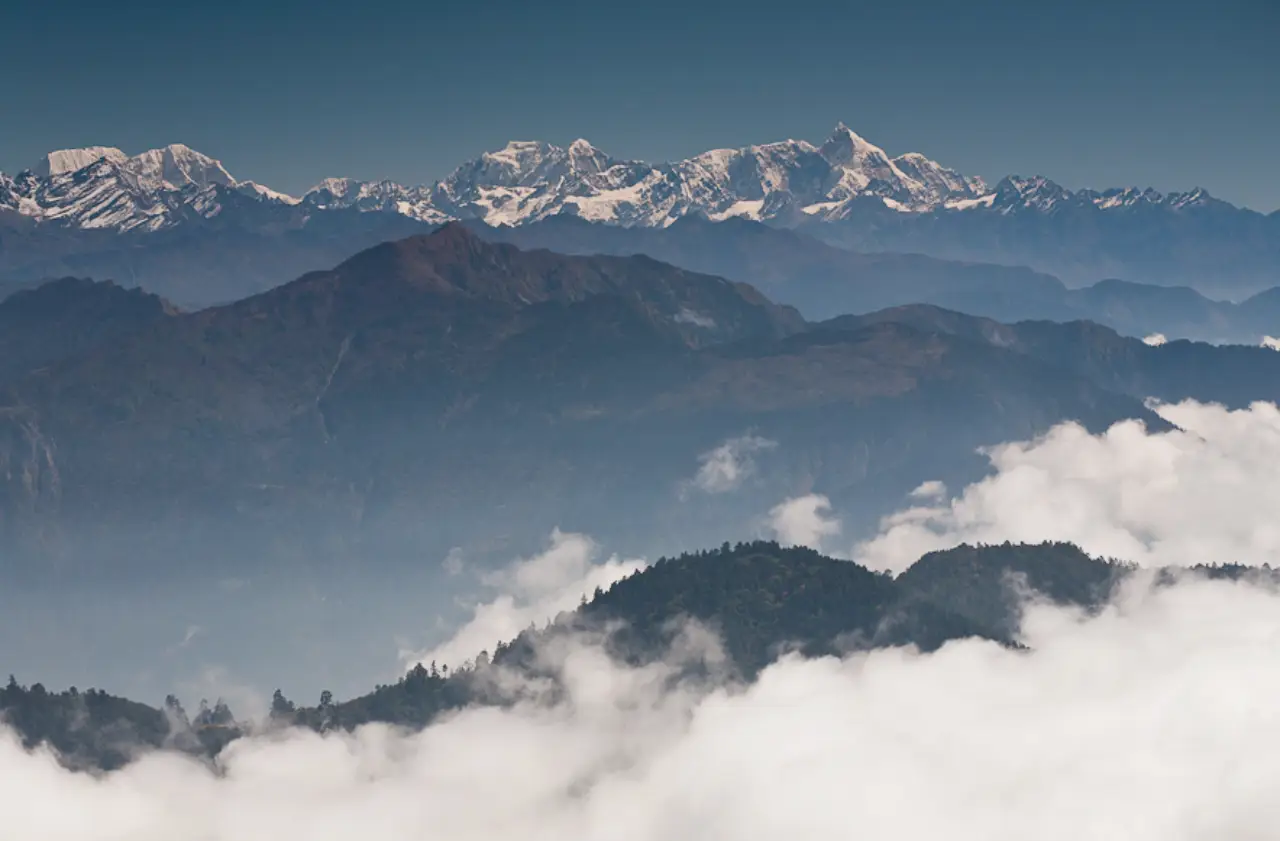
The park’s biodiversity spans a wide range of species. Animals such as snow cheetahs, red pandas, and Himalayan taha roam the park. They are adapted to the extreme conditions of the high Himalayas. while the famous yak often carries weight on rough ground.
Trekking inside Everest National Park has some of the most spectacular views that can ever be seen on the planet. There are also views of Mount Everest and towering peaks such as the Lhotse of the Himalayas. This region is also inhabited by Sherpa people. Where hospitality, culture, and practices are an essential part of the trekking experience.
In the westernmost part of Nepal, Rara Lake is located. Within the borders of Rara National Park, it is the largest lake in the country. It is a dense peaceful area free from the usual vulgarities of crowded trails. Due to the high peaks and alpine forests that surround it, it is well known for its dazzling deep blue hue.
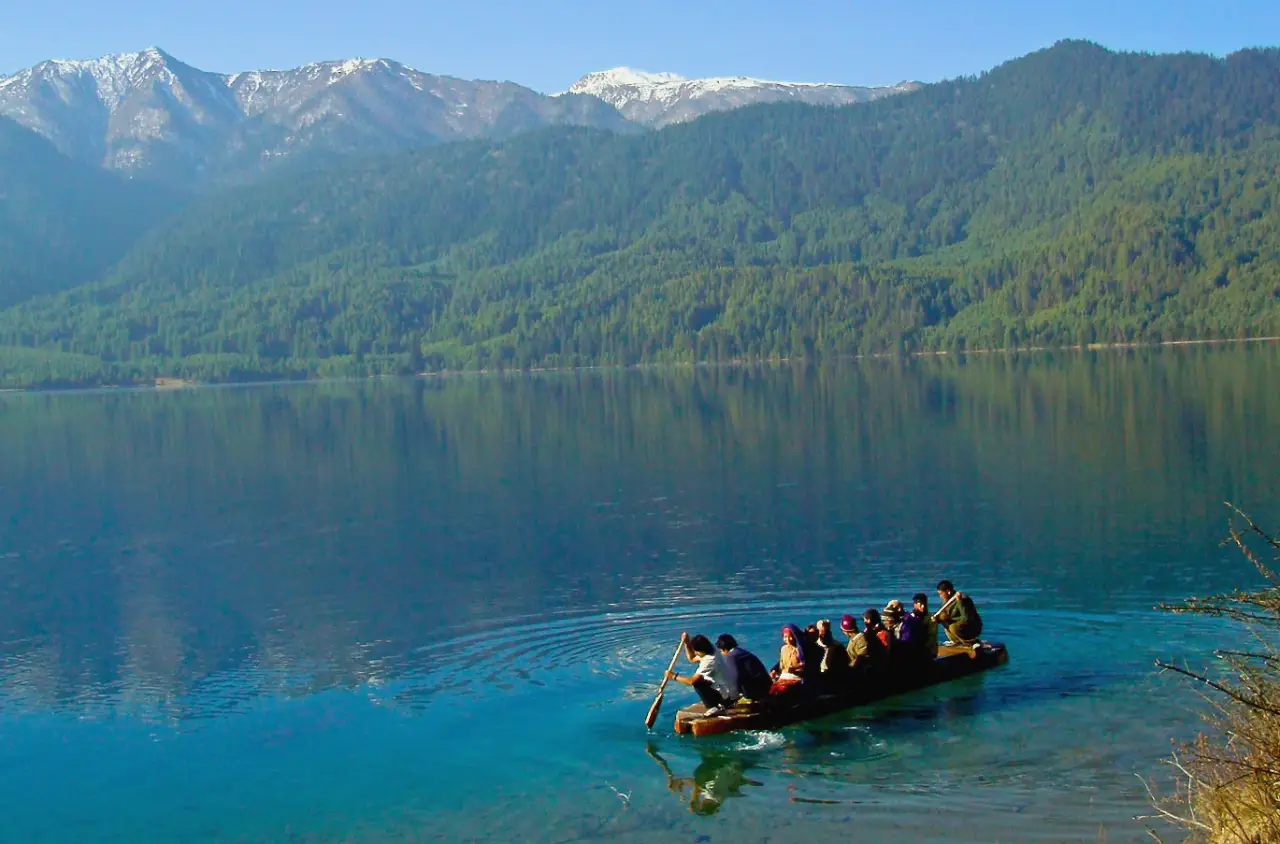
Remotely, Rara Lake is located too far for all the hikers to go. It is prone to numerous wildlife including musk deer and the endangered Himalayan black bear as well as many different species of birds. Because of the serenity and beauty that the lake brings, It is one of the most delicate treasures of Nepal.
The Makalu Barun National Park is situated in the eastern region of Nepal is one of the richest areas in biodiversity and has an abundant ecosystem. The Park is home to montane flora and fauna as well as evergreen and subalpine conifers, native beechwood as well as subacute grasslands.
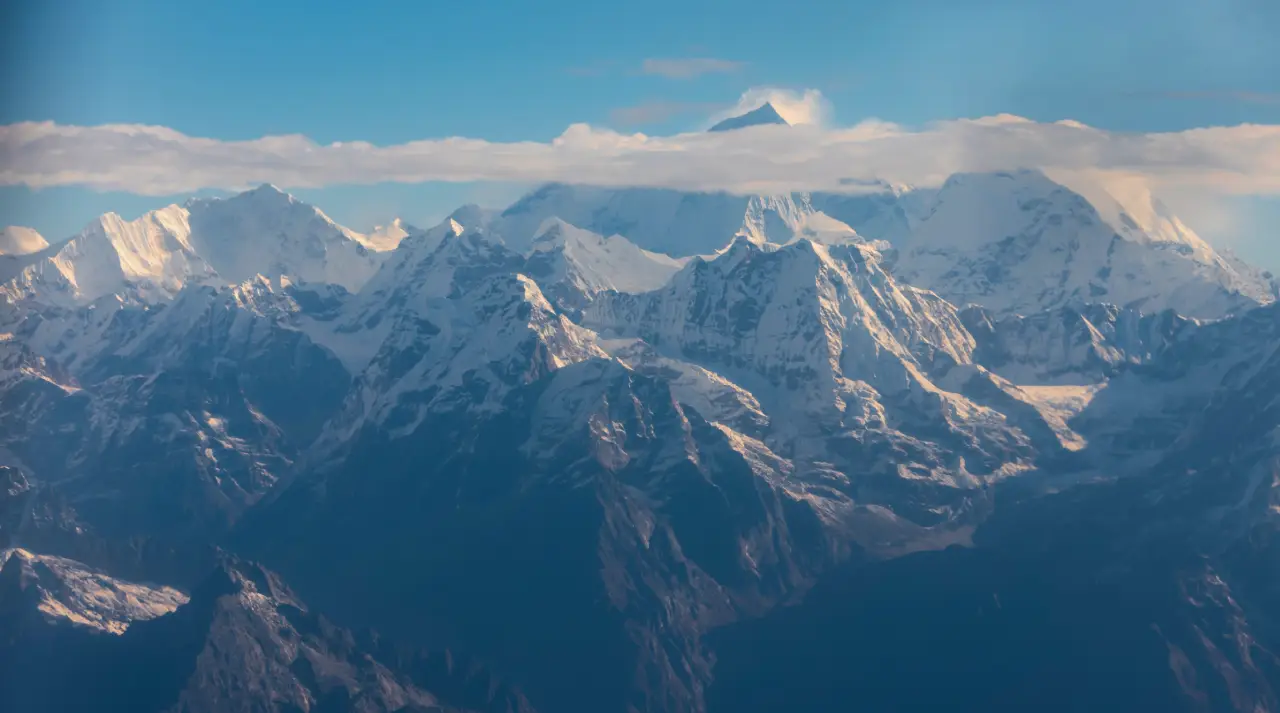
Furthermore, it is also near the stunning Himalayan peak of Mount Makalu, which is the fifth tallest mountain in the globe. The park is also famous for rare and endangered animals such as the red panda, snow leopard, and Himalayan rhinoceros.
It is also a paradise for trekkers, with some of the most remote and pristine trekking trails in Nepal. The cultural experiences in this area are equally rich. Local agriculture and the Sherpa community maintain their traditional way of life.
Annapurna Conservation Area is the largest protected area in Nepal and a popular destination for trekkers. The region is known for its diverse landscape. From lowland terraces to highland deserts and glaciers. Annapurna Trail, a classic trekking route offers unrivaled views of the Annapurna range and other peaks in the vicinity.
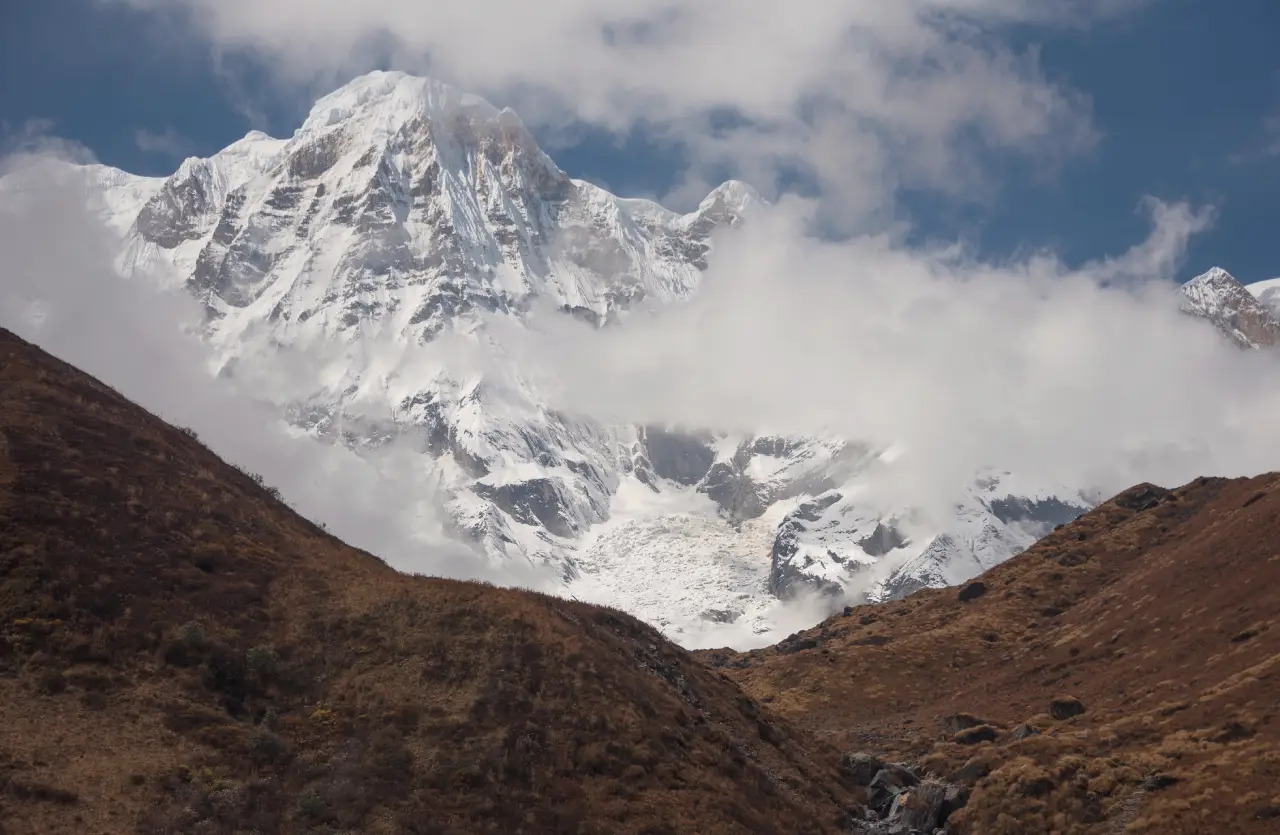
The Annapurna region also has a rich cultural heritage. It has villages inhabited by ethnic groups such as the Kurungs, Magars, and Thakalis. The traditional way of life of these communities has been preserved. It makes the area richer in natural beauty and cultural experiences.
Nepal’s UNESCO World Heritage Sites are not only visually stunning. But it also provides insights into the country’s history, culture, religion, and nature. It also reflects a rich heritage. These UNESCO sites offer visitors an unforgettable experience with the opportunity to explore ancient history.
Immerse yourself in diverse cultures and marvel at the wonders of nature Whether you are a history buff nature lover or spiritual seeker Nepal’s UNESCO World Heritage Sites are also within your reach and promise to leave a lasting impact.