



Peak climbing in Nepal is an adventured scenario with dozens of high-altitude peaks. It consists of several peaks to climb of about 6000m to the class of 8000m plus altitude. With such a diversity of climbing expeditions with several world-class peaks, Nepal offers the best geography to have an adventure journey along peak climbing.
It is also due to the most of the peaks with 8000m plus are all situated in Nepal. Specifically, among the 14 peaks with the 8000m class mountain peaks, 8 of them are in Nepal making itself a huge climbing arena in the adventure world, along with the highest peak in the world, Mt. Everest.
Every year adventure enthusiasts and climbers from different parts of the world, visit Nepal in huge numbers to get the opportunity for climbing expeditions in different mountain peaks that are widely available in Nepal. It also offers an opportunity to explore remote places and the enormous natural beauty attached to the adventure.
It also makes Nepal a very flexible choice and the most chosen place to have a once-in-a-lifetime experience in both the adventure world and the arena of Peak climbing in Nepal.
In such a scenario, Nepal is becoming an adventure land and a mountaineering hub. It leads to the arrival of adventure seekers and enthusiasts with different backgrounds of beginning and experience in their respective fields. In such landscapes of arrival with different levels of pioneer experience, an ultimate guide to Peak Climbing is a necessity and important for harnessing and implementing the plan for climbing expedition for a safe journey and safer submit goal.
Here, we are to help you in this scenario with the ultimate guide to Peak Climbing in Nepal. We will provide you with the information that you need as an adventure seeker for climbing and expeditions in the landscape of Nepal.
You will be introduced to the different aspects and an insight into the factors that are to be considered while executing the plans for your next big steps in mountaineering. Stick here to get the proper insights and the whole map of climbing in Nepal.
Altitude: 6173m
Level: Technical
Due to its technical side of climbing, Island Peak not only popular for beginners or those who are in mid-level mountaineering but also for high-level mountaineers and professional climbers. It is often used as the pre-training peak before submitting the Mt. Everest. It has an altitude of 6173m from the sea level.
Island Peak is more professional and used as a training alpine among the 6000m class of peaks in Nepal. Some also preferred Island Peak is equally technical and adventurous as well as difficult as what they found in 8000m class peaks from the technical perspective.
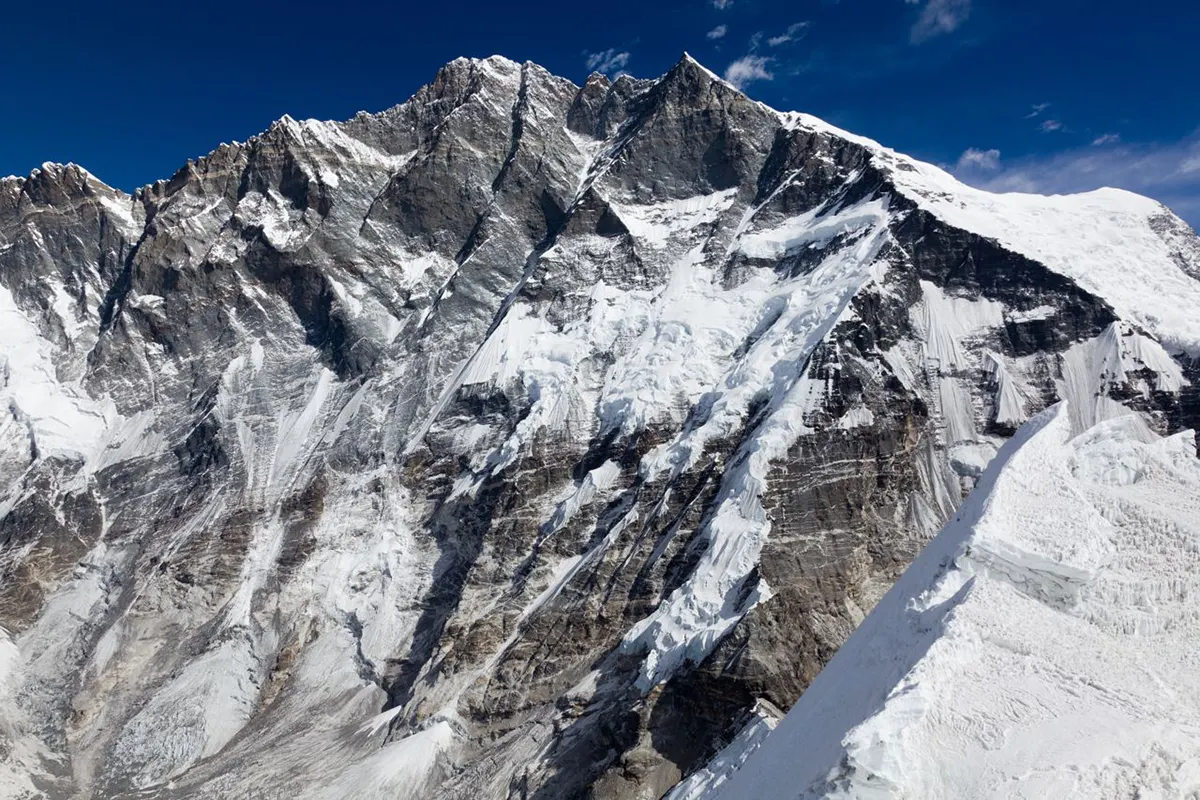
Altitude: 6461m
Level: Moderately technical
It is located inside the Everest Region facing Mt. Everest. It has an altitude of 6461m of elevation from the sea level. Mere Peak is a very popular peak that is under 7000m below altitude among beginner-level climbers.
Mere Peak requires the basic mountaineering skills and professional use of mountaineering equipment as well. This peak is recommended for beginner-level mountaineers and those with moderate levels of adventure in the mountaineering world.
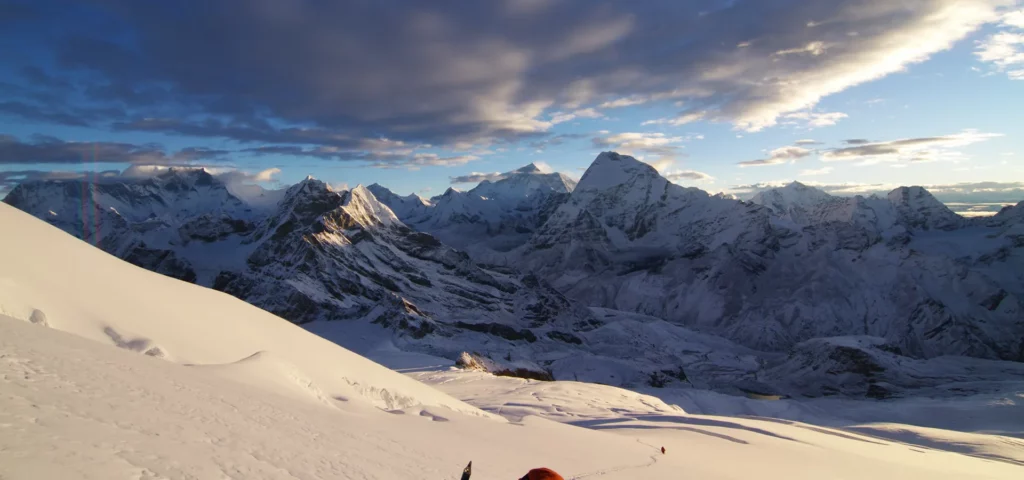
Altitude: 6119m
Level: Technical
It is considered to be one of the most technical peaks which are below 7000m of altitude. Lobuche East Peak holds an altitude of 6119 above the sea level. This peak is filled with very difficult terrains and the narrow surfaces which make it a bit difficult even for the experienced ones.
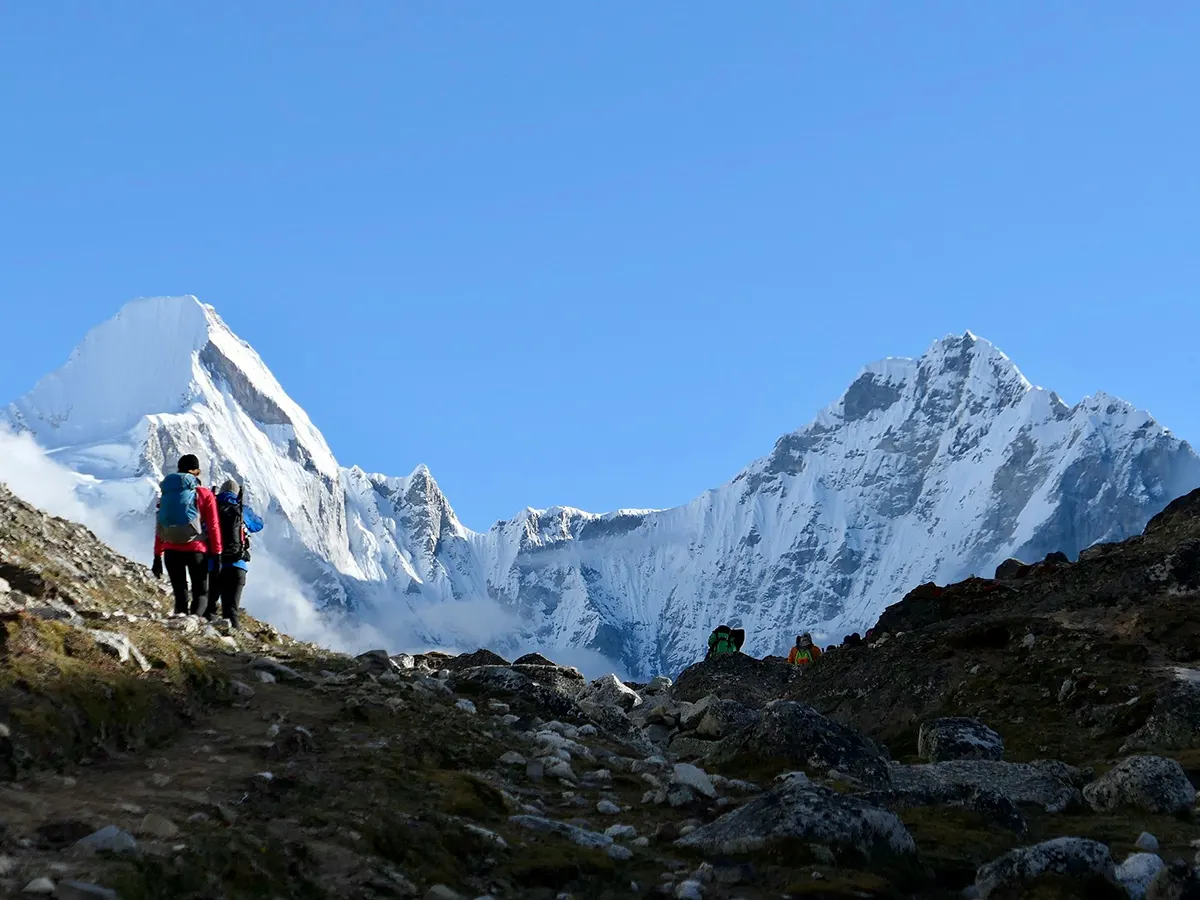
Altitude: 6419
Level: Semi-Technical
This peak is recommended for intermediate climbers. And also for the beginners to gain more experience in the field of climbing. It includes the icy and rocky terrains making it too hard for beginners to stand as a gainer of technical skills.
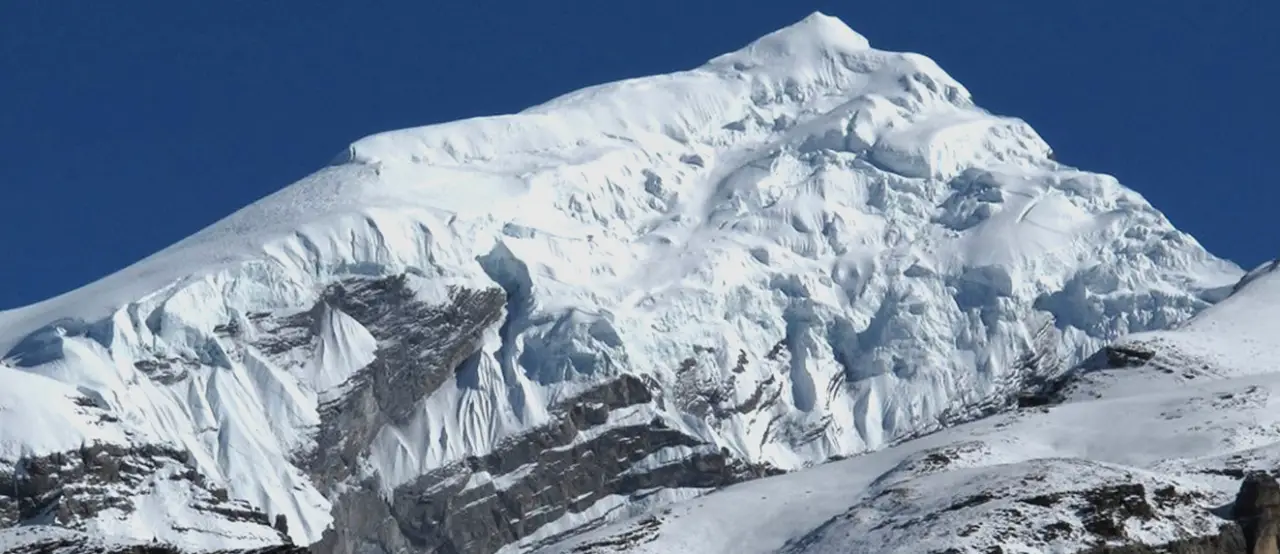
Altitude: 6091m
Level: Semi-Technical
It is equally technical to Island Peak and Mere Peak but requires more experience and mountaineering skills during submission. It is due to its very irregular geographical formation. It makes it another training peak and experience gainer for both beginners and experts.
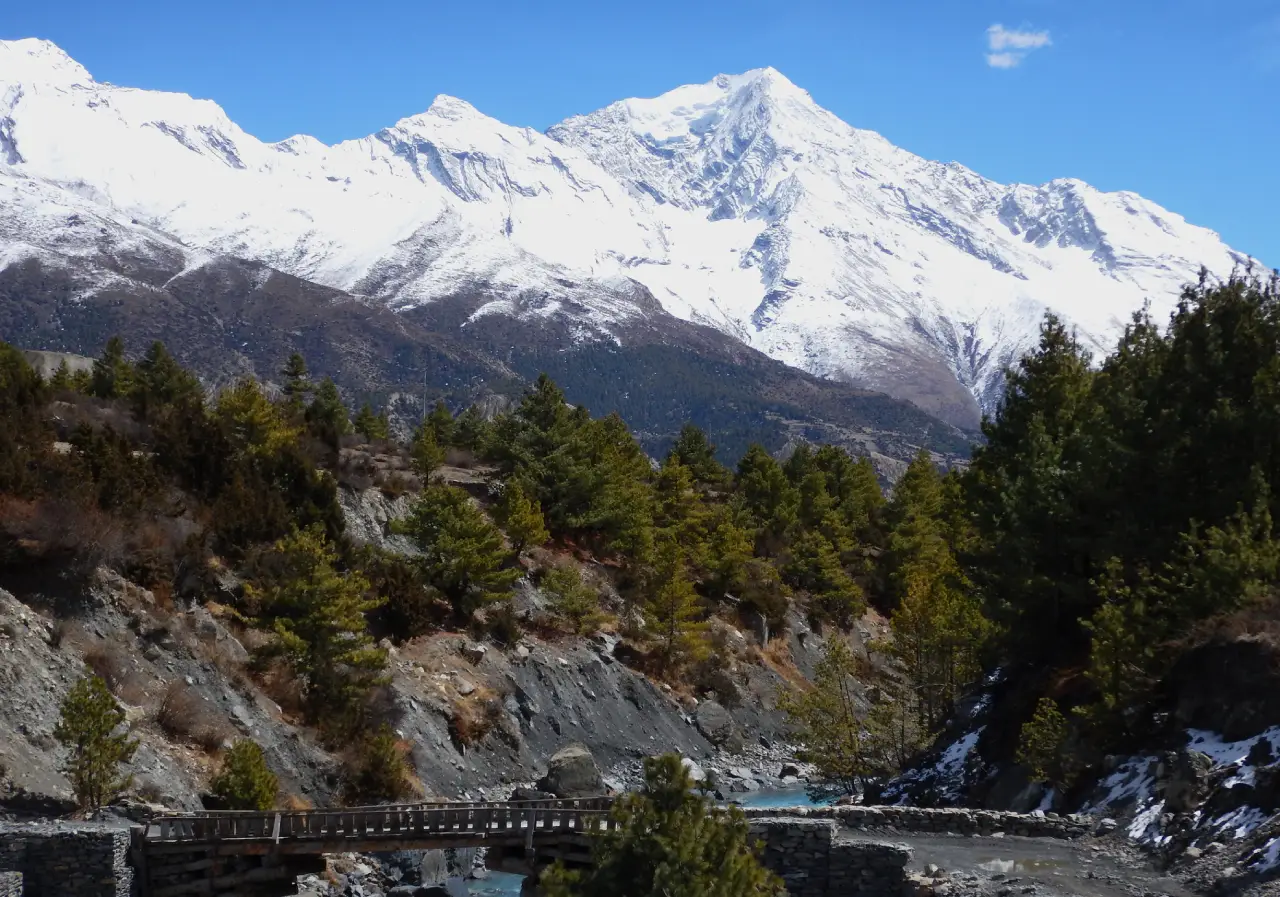
It is the highest mountain peak in the world with an altitude of 8849m from sea level. It makes summiting the peak a grand achievement and a dream for every mountaineer in the world. It also obviously holds a very technical climb and needs mountaineering training as well as some experience in shorter peaks.
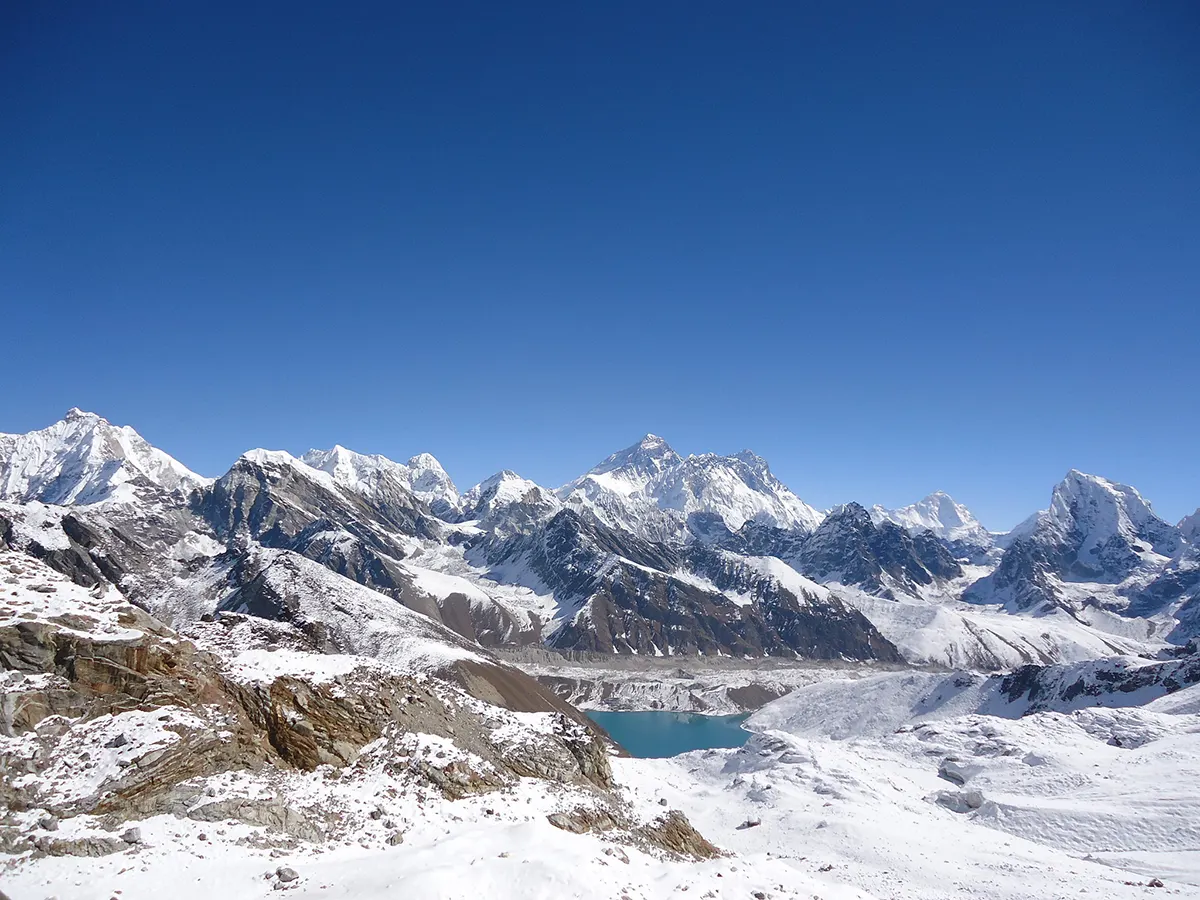
It is the world third-highest mountain peak in the world. It is not that often climbed by mountaineers as it is not that popular in the spotlight of the mountaineering world. Also, it is located in a very remote place, and hard to manage the necessary producers with the very long duration of the journey. It has an altitude of 8586m of elevation from the sea level.
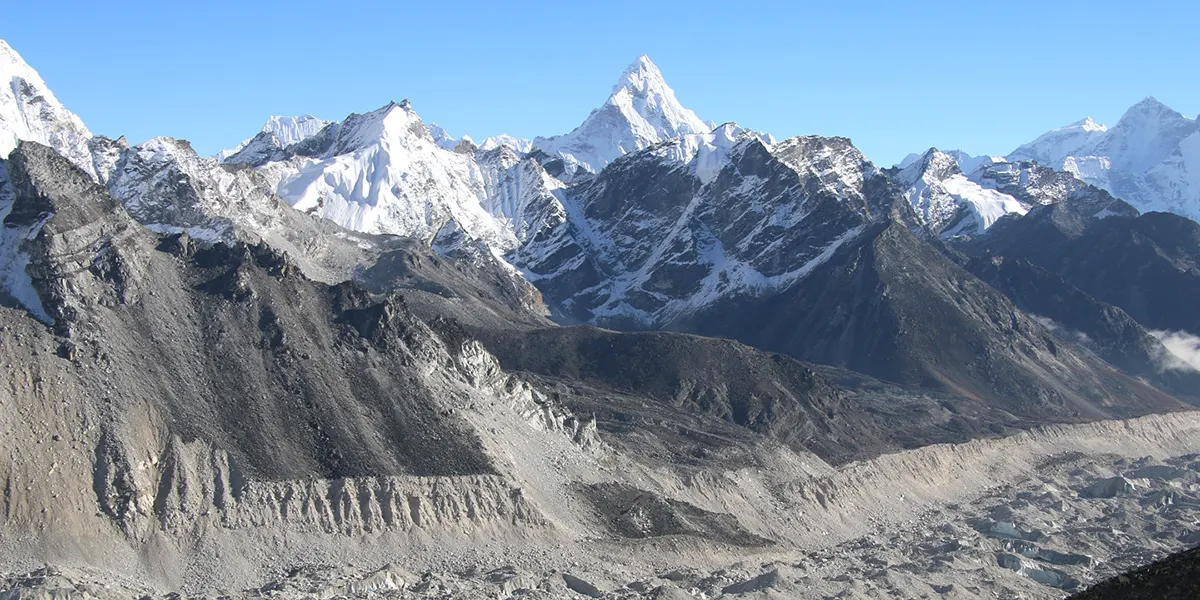
It is the 8th highest mountain peak in the world with an altitude of 8163m from the sea level. It is considered to be a very difficult climb among the 8000m. It is also known as the killer mountain because of the death rate and the unsuccessful submit ratio every year. Different factors such as difficult terrains, avalanches, irregular formations, steep slopes, etc make it such a difficult climb that 1 lost their life in every 10 successful submit.
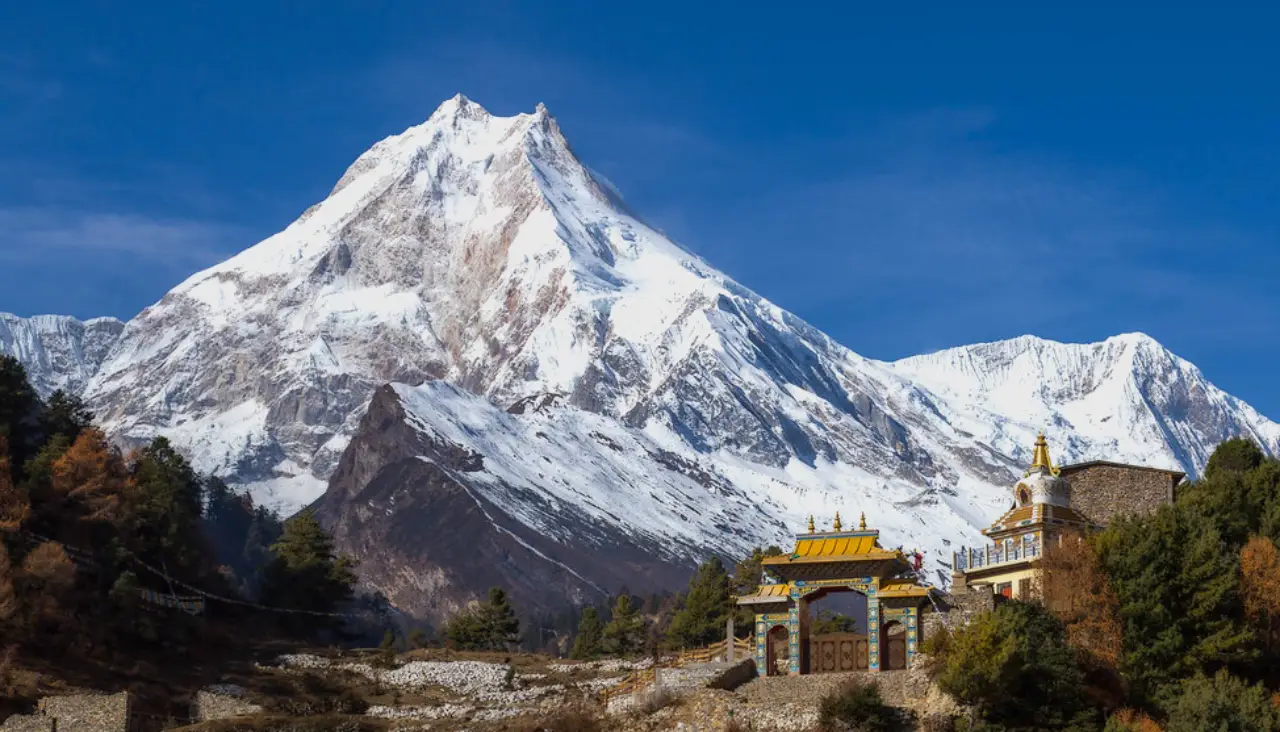
Note: we’ve only mentioned some of the climbable peaks in Nepal which are above and below 8000m. Despite having hundreds of peaks all over the Himalayas in Nepal only a few of them are climbable due to various reasons and factors. Also among the climbable peaks, above are the chosen peaks that are more recommended by experts in terms of achievement and their features for peak climbing in Nepal.
When preparing your guide to Peak Climbing, it’s crucial to address the challenges climbers face. Here are the key factors:
Yes, peak climbing in Nepal can be more difficult due to the unpredictable weather. It is one of the main factors where all the unsuccessful summits and incidents happen. The weather conditions there in the mountain region are very unpredictable. It can change in sudden behavior at any time during the summit day or during the journey for climbing the peak.
Yes, the formation of geographical terrain also makes it very difficult to climb mountain peaks. The irregular shape of the terrain and narrow steps make it too hard to pass through. It also leads to the risky climbing as well. The altitude and the elevation even make it worse as it will be another additional factor to tackle along with the difficult formations of geographical landscapes.
It is also one of the most important factors which make peak climbing in Nepal a bit difficult. It is also very uncertain. It usually happens at an altitude of above 3000m. It can cause symptoms such as nausea, vomiting, and weakness which is very vital during the journey, and if climbers are on the cliffs or the narrow slopes. It is caused by frequent moves which need more respiration than the usual one.
yes, the mountain peaks are filled with difficult steps to pass through. The steeps also sometimes get too narrow adding more hardness to go over. Sometimes even using equipment gets difficult because of such difficult cliffs and too steep terrains. Also, the cliffs are always higher in the Himalayas and sometimes it could be a problem for even experienced mountaineers to suffer from acrophobia. And for beginners, it will be an absolute personal challenge to tackle during peak climbing in Nepal.
it is another factor that makes peak climbing in Nepal more challenging. It makes the difficult terrains and cliffs more difficult to cross through. Sometimes in the peak climbing these slops will be the ultimate challenge of the day to give it a hard try.
it is a very uncertain thing which can happen during the Peak climbing In Nepal. And it is too dangerous as it can happen in the middle of your climbing journey. It is one of the most important factors that took the lives of climbers due to the expeditions on different peaks. More worst about avalanches is that it is too hard to avoid if it happened from above the peak during the mid-climbing journey.
Climbing is not only an adventure activity but also needs huge technical expertise for successful climbing of peaks. A climber needs to consider and have the proper preparation for the summit with different factors and various aspects. So, in them, as mentioned above weather conditions and the season play a very vital role during the climbing journey. It makes the success of expedition of any summit. It means a proper time and season should be chosen to execute the climbing plan and to make it safer.
Choosing the best time for climbing in Nepal is not that too tricky as we need to consider the important factors on which the expedition depends. The main theme for choosing the best time for climbing any peak is the weather and the visibility. It can make your submission unsuccessful and have to return without summiting the peak. Also, this can be a bit risky as it holds other different factors that can be quite dangerous during the climbing expedition.
So, considering the weather and visibility and other factors spring season and the autumn season can be a good choice for climbing activity. It is due to the advantage of stable weather and other features which come along with it.
During the spring season, quite stable weather can be expected and a refreshing visibility and environment can be harnessed as pre-monsoon rain washes all the dust in the air. The graph of temperature also does not fluctuate often. And other than the technical advantages one can also enjoy the scenic journey and the blossoming season of Nepal. Sometimes wind can be a bit tackling difficulty during the expiation. But it also does not happen often.
During Autumn, climbers will get the most stable weather and the predictable too. The visibility will be better than in any other month of the year. The temperature will drop a bit during the nighttime, but the features are enough to make a summit rate more successful than other seasons. Sometimes rain can happen which may stand as the difficult factor during the climbing expiation. Other than that it can be chosen as the best time for the climbers.
Peak climbing is a highly adventure activity and needs a lot of technical ability as mentioned above. It also leads to some of the permits required from the mountaineering association and as well as from the tourism board to get permission to access the peaks for climbing expeditions. Different peaks need different kinds of permits as of their representative area or in which conservation or preserved area does it lies on. The permits also need to be for the trekking as for the peak climbing in nep-0al, one should travel through the trekking trails to reach the base camp first of any individual peaks.
All of the above permits should be with you or with the climbers before summiting the peak or before entering the region. The Nepal Mountaineering Association Permits apply to all the peaks in Nepal and other permits depend upon the region and the individual peaks. Most of them are all compulsory as per related arenas despite of restricted area permit which applies in strictly preserved regions for the natural and cultural preservation by the government.
It all should be filled with the proper legal information of climbers and with the legally approved procedures. Submitting the peaks or executing the expedition in peaks of Nepal without permits is considered to be illegal. If found doing so, the person can be taken under legal charges as per circumstances. So, take proper paperwork in your Preparation list before starting the summit plan.
Yes, you do need the help of the experts if you are beginning in the field of mountaineering. It is not only to get the technical skills or the mountaineering experience but also for your safety. Also, it is mandatory to take an expert guide with you to the most of climbing peaks of Nepal. It is again due to the safety of climbers and to guide them with better mentorship for their own experience too.
It depends upon the peak and the technical side as well as the itinerary planning for the summit. It also depends upon the duration of the journey which needs to get there and to return after the different means. If we consider the journey from the basic sides and the basic means of transport as well as the trekking to get there, it usually takes 10 to 20 days of regular journey to climb peaks. It may also take more days depending upon the factors of trekking band the factors such as weather, altitude, and unfortunate incidents.
Yes, you can but you may need the pioneer experience in basic mountaineering or trekking as well as some basic training for the climbing skills. It also includes the mentorship of experts during your summit days and may also need to extend the duration of the expedition due to the personal ability of beginners. However, the proper basic training and mentorship of mountaineering experts with the proper management will help you to achieve your climbing dreams.
So, up here, we give you some of the basic insights about peak climbing in Nepal and the aspects that come along with it. We also provide you with brief information on some of the climbable peaks that are available for climbing in Nepal. All of the above information is from the experience of different climbers and mountaineers and considering the usual factors. And all of them are provided with a basic format to make it more understandable.
It means it can vary from person to person and sometimes hard to give any conclusion about the conditions and the factors that are to be tackled during one journey for the expedition. And you will never know what it is like to be or what could be the actual story behind the adventure until you are done by yourself. We just recommend you get your plan ready and give it a try by yourself to create your own experience and story to share rather than rely on others. Just get yourself out give it a chance and try by yourself.